

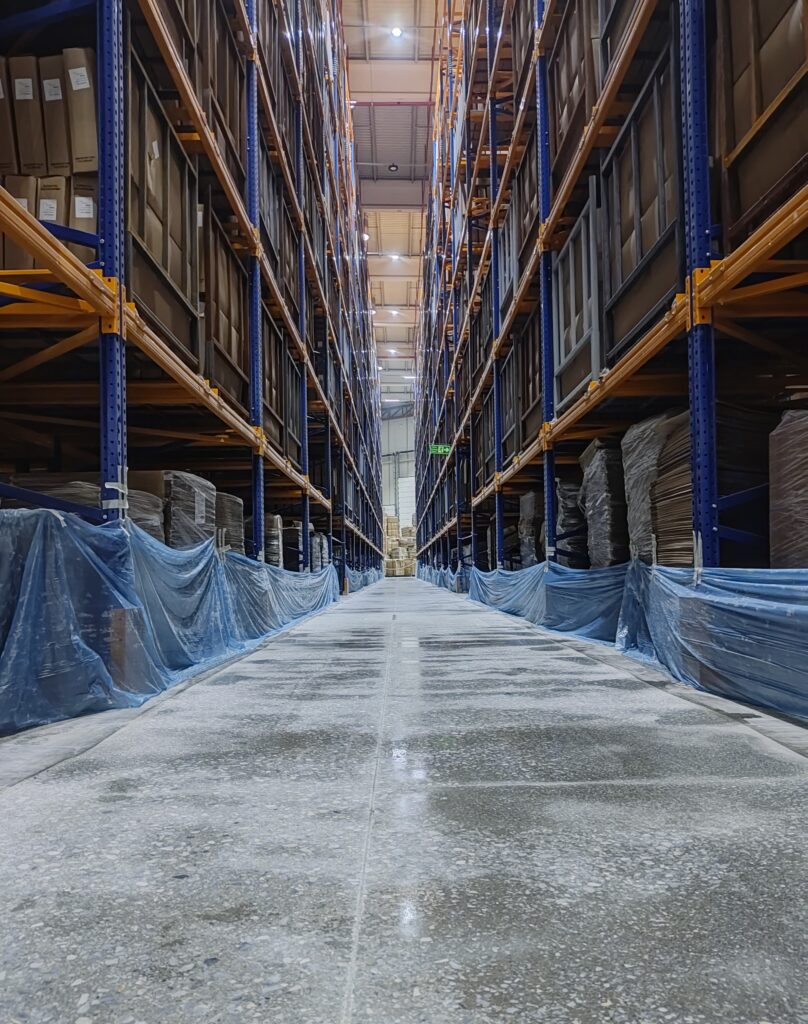
Laser Grinding

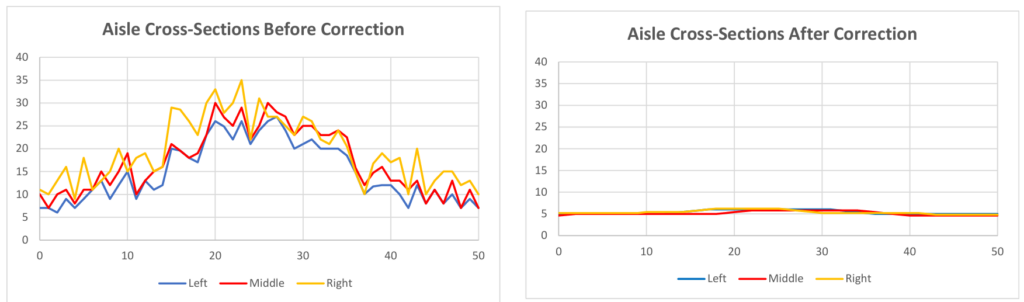
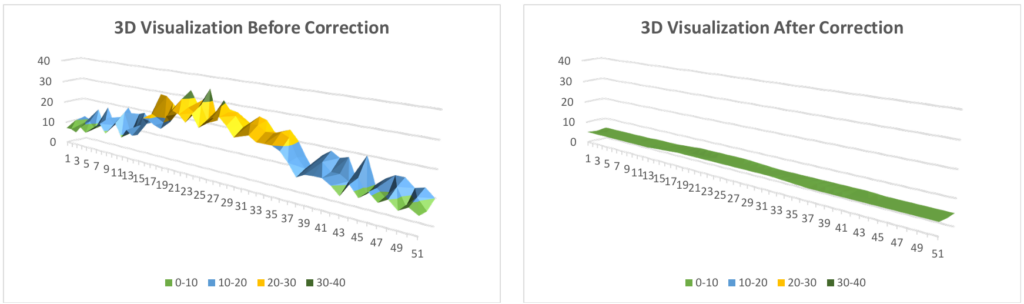
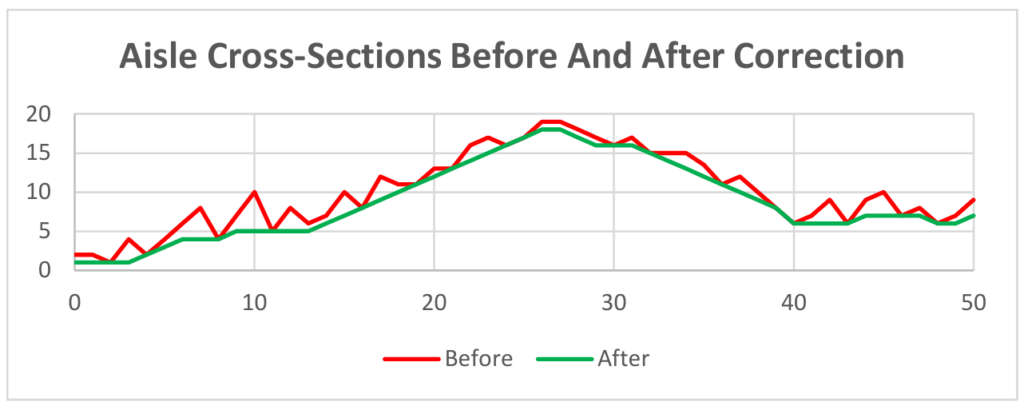
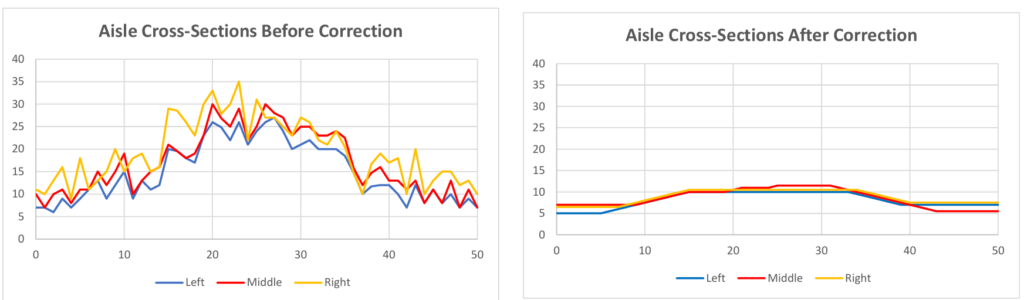
Laser grinding is a critical engineering process that corrects floor defects identified during the measurement and evaluation stages. Its purpose is to bring the surface within the tolerance limits defined by international standards. This process is not limited to material removal. It involves controlled correction of elevation differences, curvature, and slope variations to achieve the targeted performance level. 

Grinding strategies are determined directly from measured data. Advanced equipment and precision-controlled methods are used to avoid unnecessary material removal. The objective is to achieve full compliance with applicable standards while ensuring operational safety, long-term durability, and sustainable floor performance.

Grinding Methods

At Perfector Floor, we act not only as an applicator but as a technical solution partner in industrial floor improvement. The process begins with high-precision measurements performed in accordance with international standards. Based on this analysis, the most efficient and technically appropriate grinding plan is developed for the warehouse or production area.

The objective is not only to correct the floor, but also to improve operational safety, speed, and efficiency. 

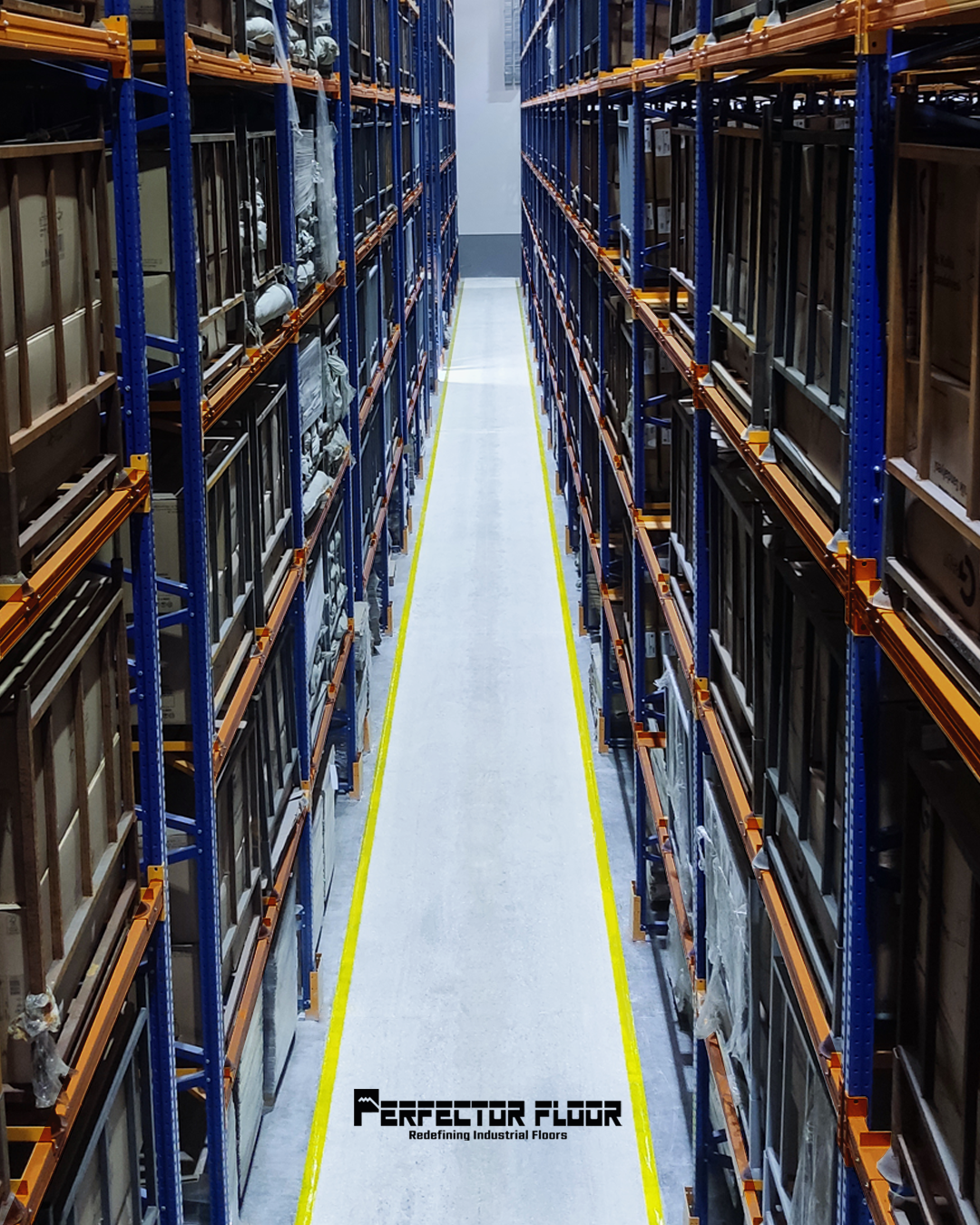
All grinding applications are executed in full compliance with globally recognized standards, including TR34, ACI Fmin, DIN 15185, and the VDMA guideline. This ensures optimal floor performance for different forklift types, robotic storage systems such as AutoStore, and very narrow aisle (VNA) high-racking solutions.

Wheel Track Grinding

This method corrects only the wheel paths along the entire aisle length. The grinding process focuses on the exact tracks where forklift wheels operate.

Advantage: Fast execution with minimal material removal.

Application: Warehouses using 3- or 4-wheel reach trucks in narrow aisles with defined movement (VNA systems)

Full Aisle Grinding

All non-compliant areas within the aisle are corrected. The entire corridor surface is brought within tolerance limits. 

Advantage: Suitable for all equipment types, including forklifts, robots, pallet trucks, and other material handling systems.

Application: Ideal for both defined-path and free-movement aisles where different equipment operates in the same area.

Open Area Grinding

Flatness is achieved in both X and Y axes, ensuring maximum precision across large and unrestricted areas.
Advantage: Provides flexibility for future modifications of racking or
storage systems.
Application: Suitable for AutoStore systems, robotic operation zones, high-bay warehouses, precision manufacturing facilities, and all types of storage areas

Our Grinding Technology

Perfector Floor applies advanced global technology in industrial floor improvement projects. We integrate high-performance machines sourced from leading international manufacturers to create an optimized equipment configuration. This technology, combined with the expertise of our specialized team, enables the
delivery of high-precision and durable floor solutions.

1. Level-to-Uniform Elevation

In this method, the entire aisle is brought to a consistent elevation level from start to end. A continuous and uniform plane (FF/FL) is created across the full surface. This ensures vibration-free and stable movement of material handling equipment.

2. Localized High-Spot Removal

Surface protrusions that negatively affect operations are identified within defined intervals, typically every 2 meters. These localized high spots are precisely removed without intervening across the entire floor area. This method corrects only the irregular zones that cause excessive forklift sway (FL), minimizing material removal and execution time.

3. Slope-Preserved Grinding

In certain areas, the natural or functional floor slope must be maintained. In some cases, excessive elevation differences or embedded reinforcements prevent full leveling to a single elevation. In this approach, grinding is performed along the aisle while preserving the overall slope. Only surface irregularities are corrected. This maintains functional drainage or design slope while achieving a smooth and safe surface.

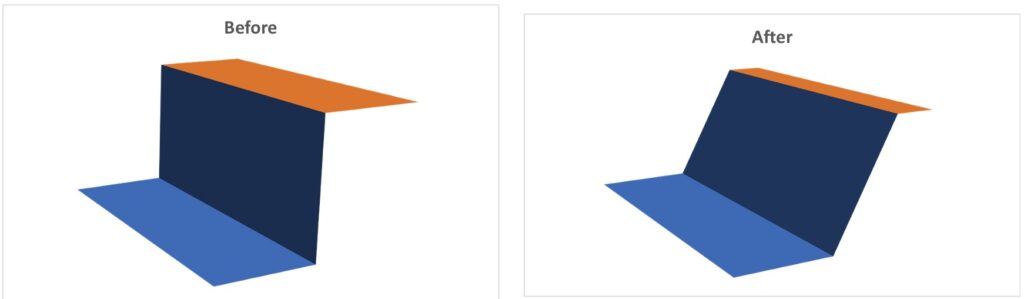
4. Controlled Inclined Grinding

When required, beveled or inclined surfaces can be created at defined widths and gradients. This method is applied in transition zones, aisle connections, entrance ramps, and other areas requiring controlled slope geometry.

Grinding Areas

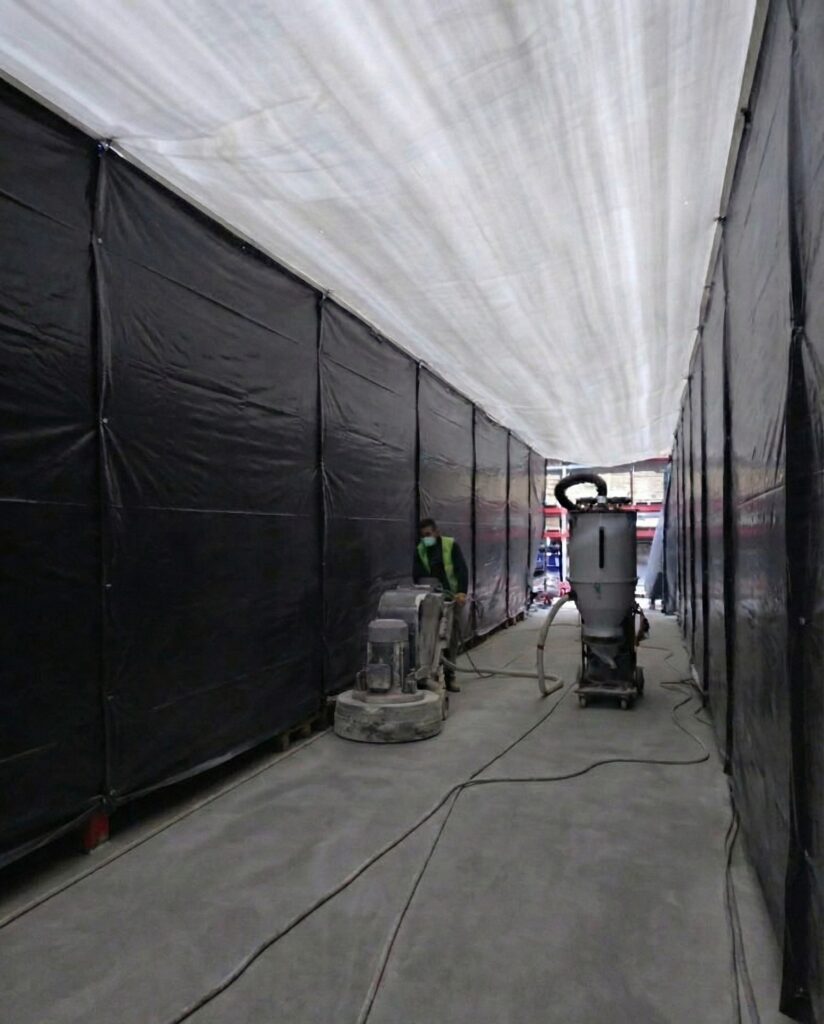
Grinding operations can be performed in a wide range of environments, including fully operational, occupied, or sensitive facilities. Advanced equipment systems enable dust controlled execution, maintaining a clean and organized workspace. Daily operations can continue without interruption during the intervention process.

Grinding can be applied with high precision in large open areas as well as in narrow aisles down to approximately 1 meter in width. Equipment configurations are adapted to site constraints, ensuring that limited access does not restrict operational capability. This flexibility allows floor corrections to be executed with the same level of accuracy and control, even in restricted zones.

Explore more

Measurement

Our advanced measurement technologies and engineering methods

International Flatness Standards

Detaily understand the flatness standards like ASTM, TR34 and VDMA

Importance of Floor Flatness

Why floor flatness can affect the operation's speed, safety, and cost..

Get In Touch
Find Us
Follow Us

Send us a message

Bu formu bitirebilmek için tarayıcınızda JavaScript'i etkinleştirin.