
Perfector Floor

Floor Measurement

Perfector Floor is a specialized provider of industrial flooring systems focused on upgrading concrete floors for warehouses, logistics centers, and manufacturing facilities.

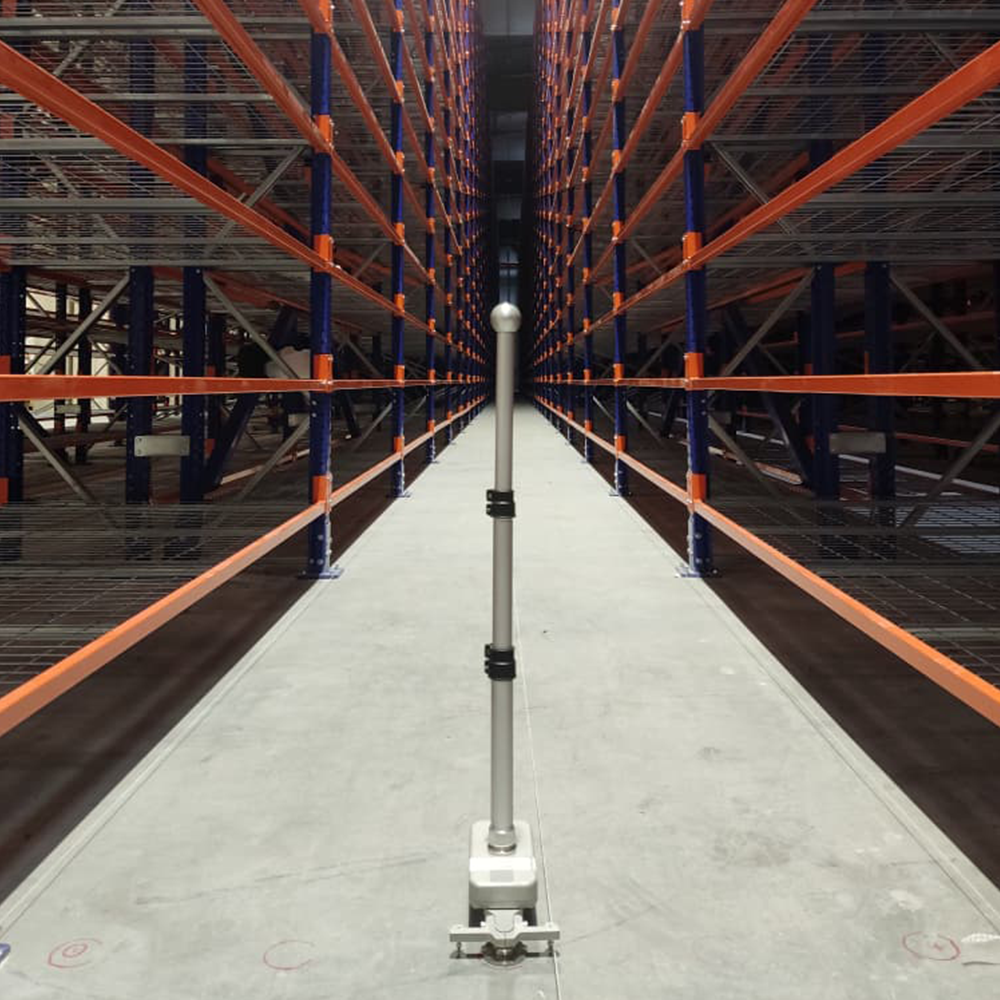
We deliver solutions aligned with international flatness and levelness standards, including defined movement systems for VNA (Very Narrow Aisle) operations.

By integrating advanced measurement technologies and engineering methods, Perfector Floor enhances material handling performance, reduces maintenance costs, and supports automation systems such as robotics and high-bay racking.

Surface elevations and other specifications cannot be specified visually. Professional measurement is therefore essential.
Measurement is the starting point of the entire process. It identifies slopes, elevation differences, gloss, cover thikness, humadity, stiffness, and friction with the highest accuracy.

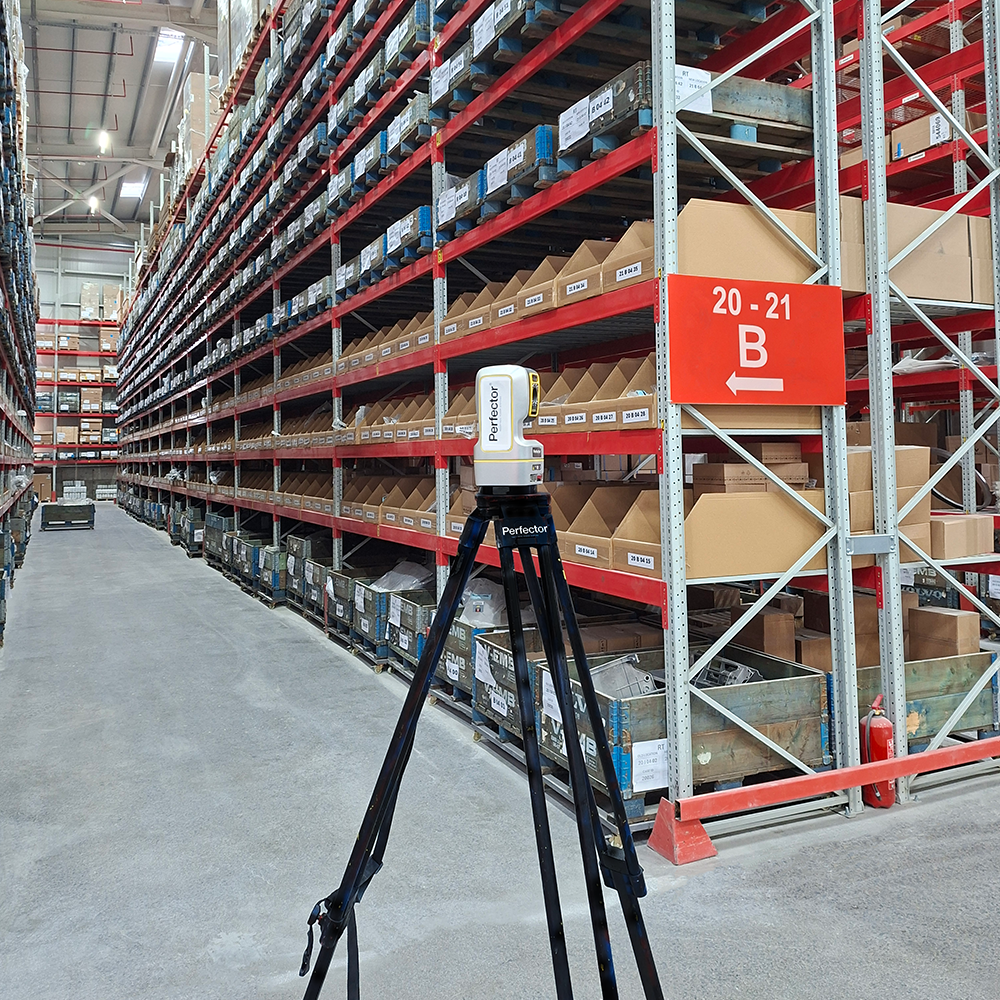
Laser Scanning

A non-contact measurement system capable of 360° laser scanning over large areas. It collects high density multi point data at high speed. The system generates a digital floor map with millimetric accuracy, enabling detailed surface analysis.

Dipstick

A high-precision device that measures elevation differences with an accuracy of 0.01 mm. It is fully compliant with international floor flatness standards and is widely used for tolerance verification and certification.

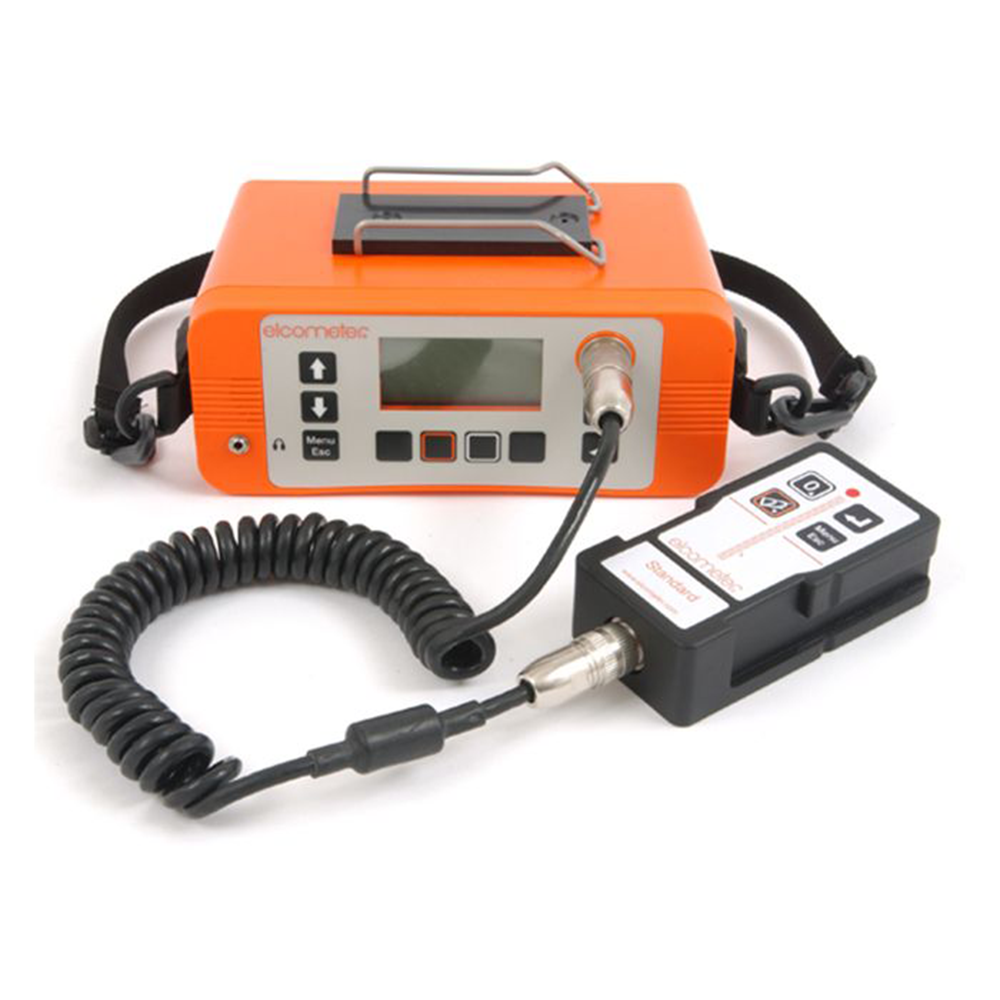
Rebar Scanning​

A detection system used to determine the depth of reinforcement mesh, rebars, and embedded steel elements within the concrete slab. It identifies the position and cover depth from the surface with millimetric accuracy, enabling safe grinding, coring, and surface correction operations.

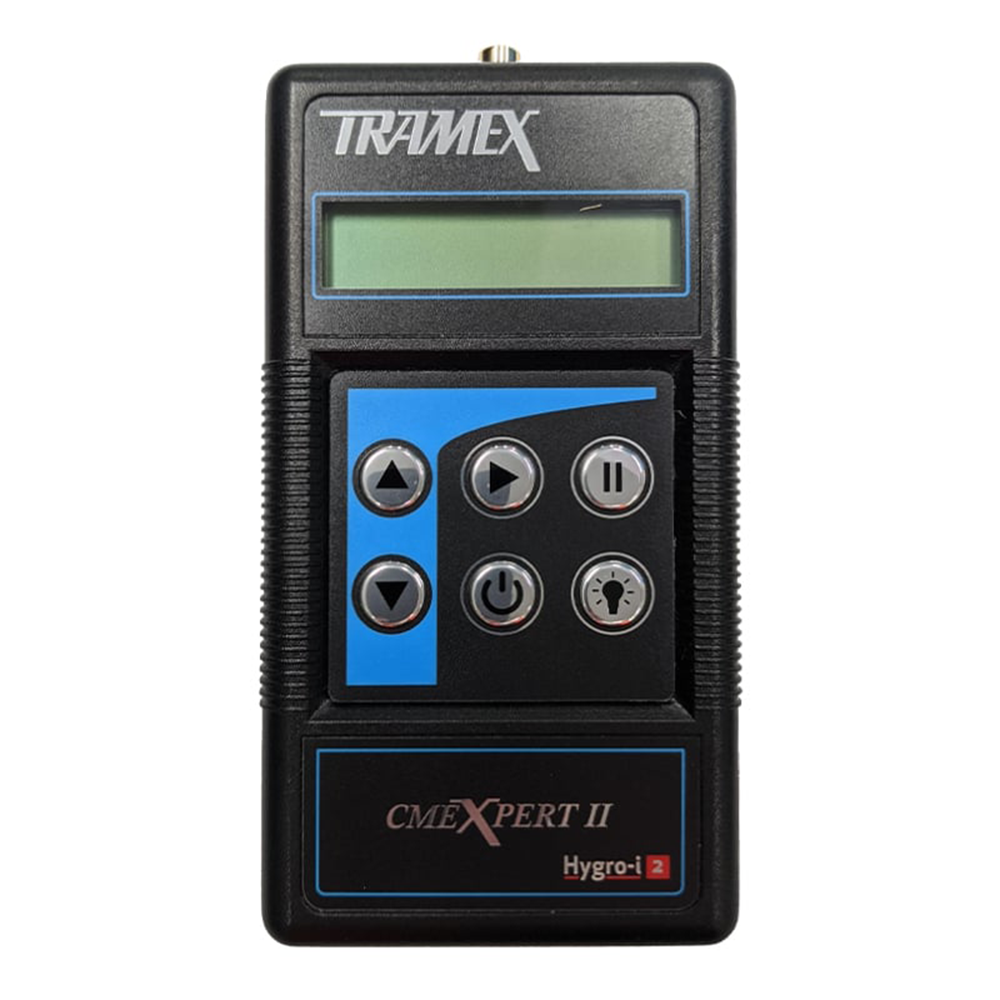
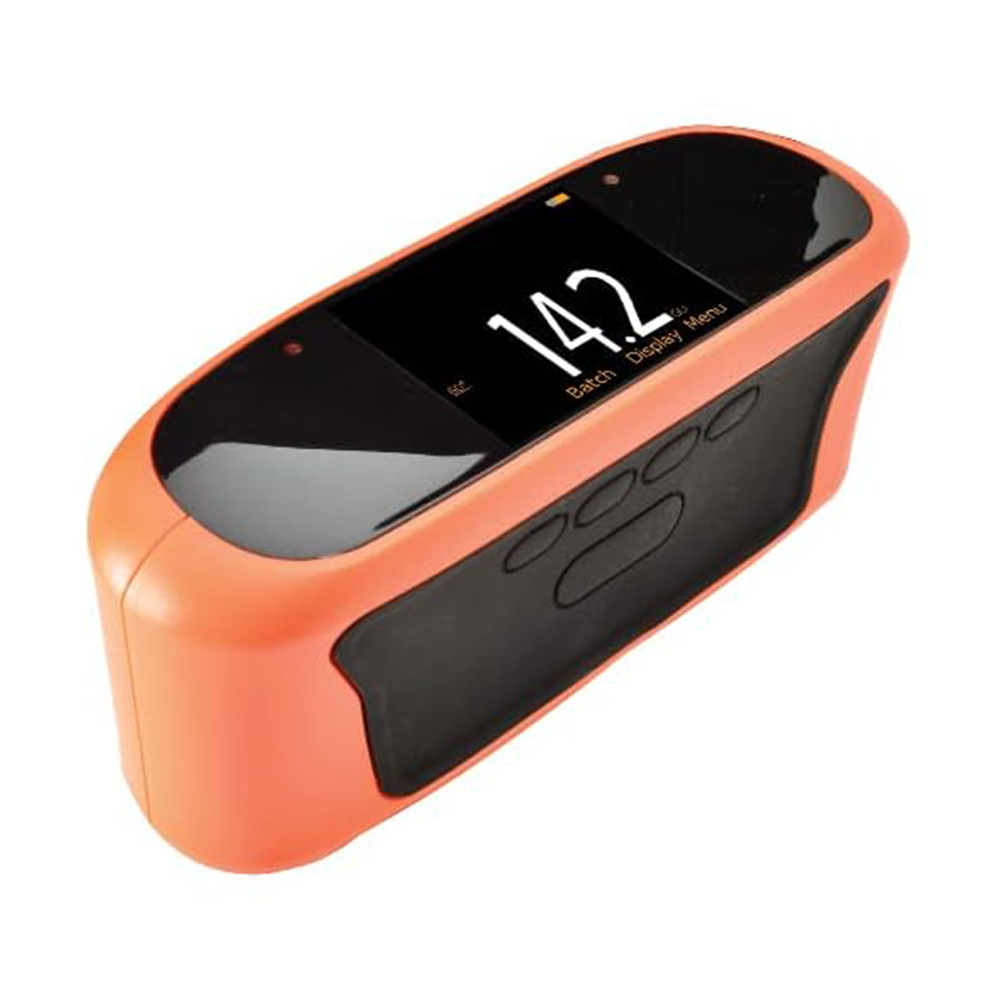
Humidity Test

is a non-destructive analog concrete moisture meter for measuring quantitative moisture content in concrete floors and slabs

Gloss Test

The gloss test evaluates the reflective properties of a concrete surface, providing a quantitative measure of its finish quality and uniformity. This test is particularly important for projects where visual appearance, surface consistency, and light reflectivity are key performance criteria, such as polished or coated industrial floors. 

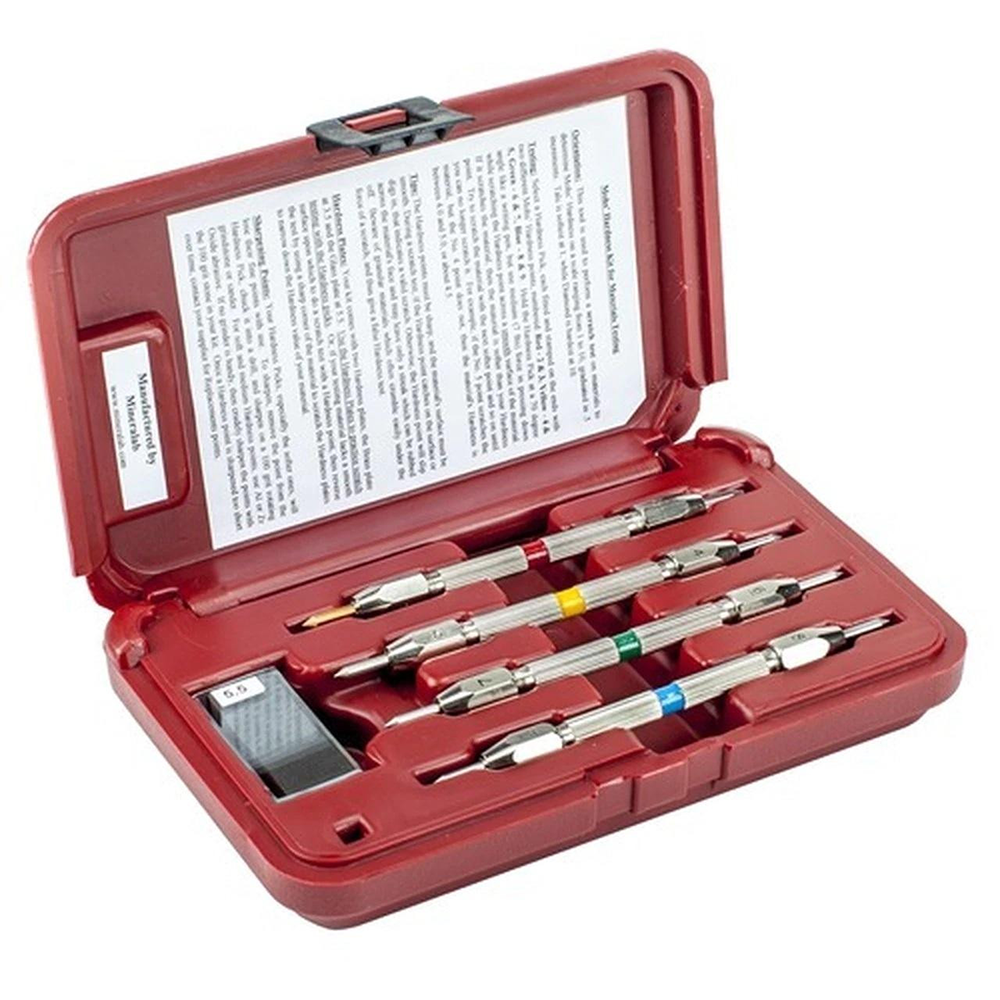
Stiffness Test

The Mohs stiffness test is a quick field method used to estimate how resistant a concrete surface is to scratching and wear. It gives a practical indication of surface durability, dusting behavior, wheel marking potential, and polishing performance.

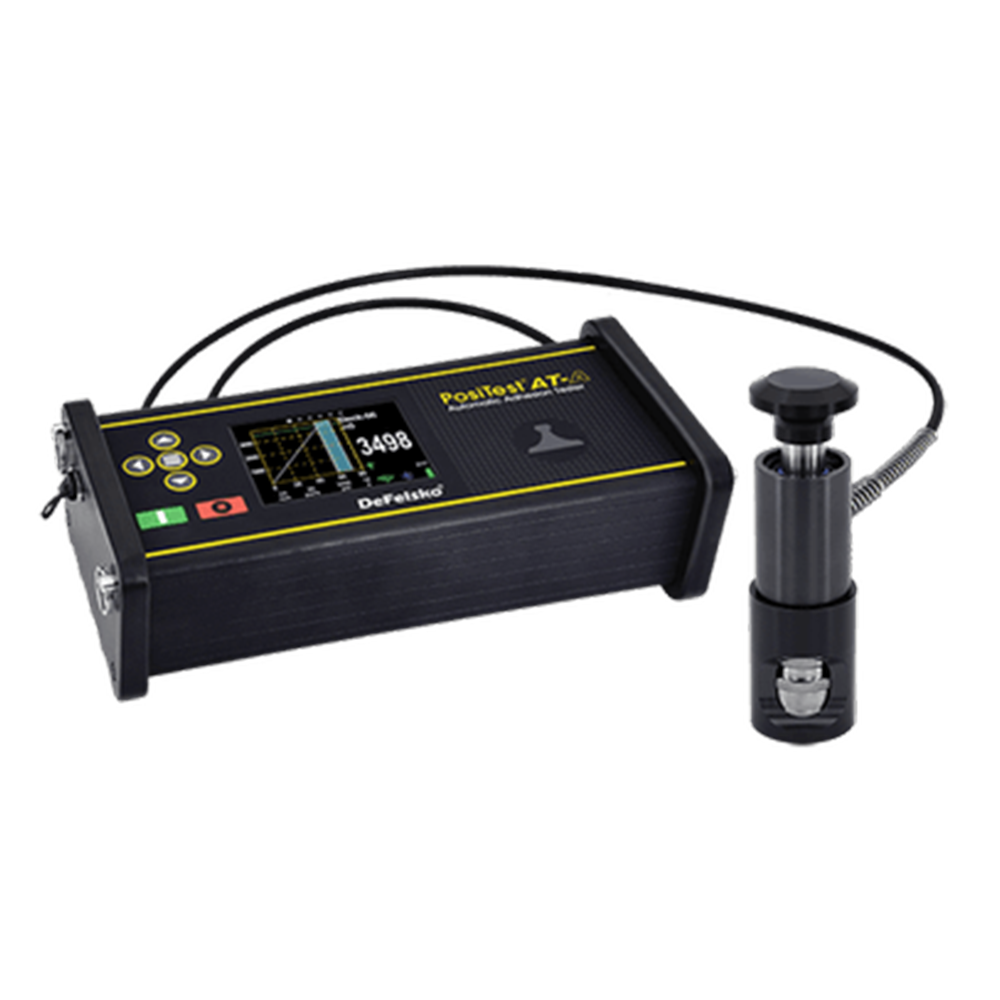
PosiTest

The PosiTest evaluates the adhesion (pull-off strength) of a coating by determining the greatest tensile pull-off force that it can bear before detaching. Breaking points, demonstrated by fractured surfaces, occur along the weakest plane within the system consisting of the dolly, adhesive, coating layers and substrate.

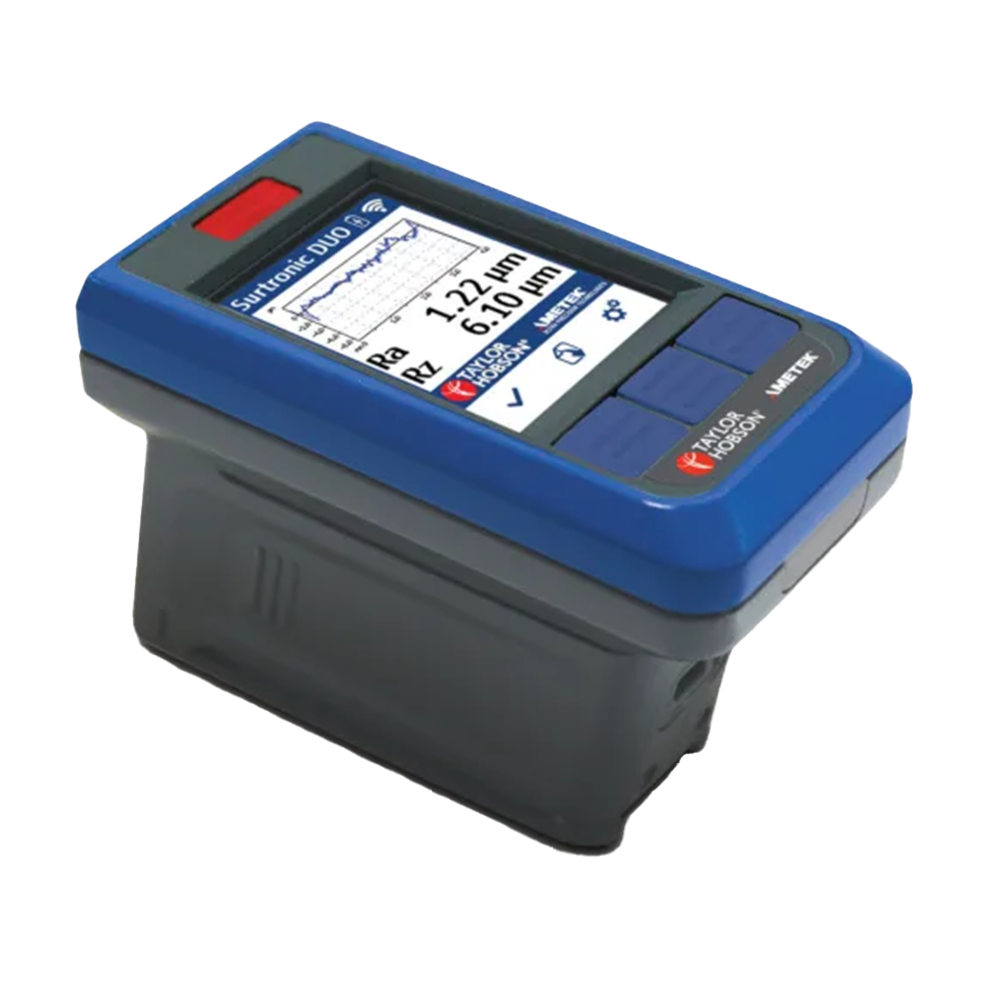
Surface Roughness Tester

Roughness measurement parameters such as Ra, Rz, Rp, Rv and Rt are displayed on a brightly lit intuitive 2.4" daylight readable LCD colour display.

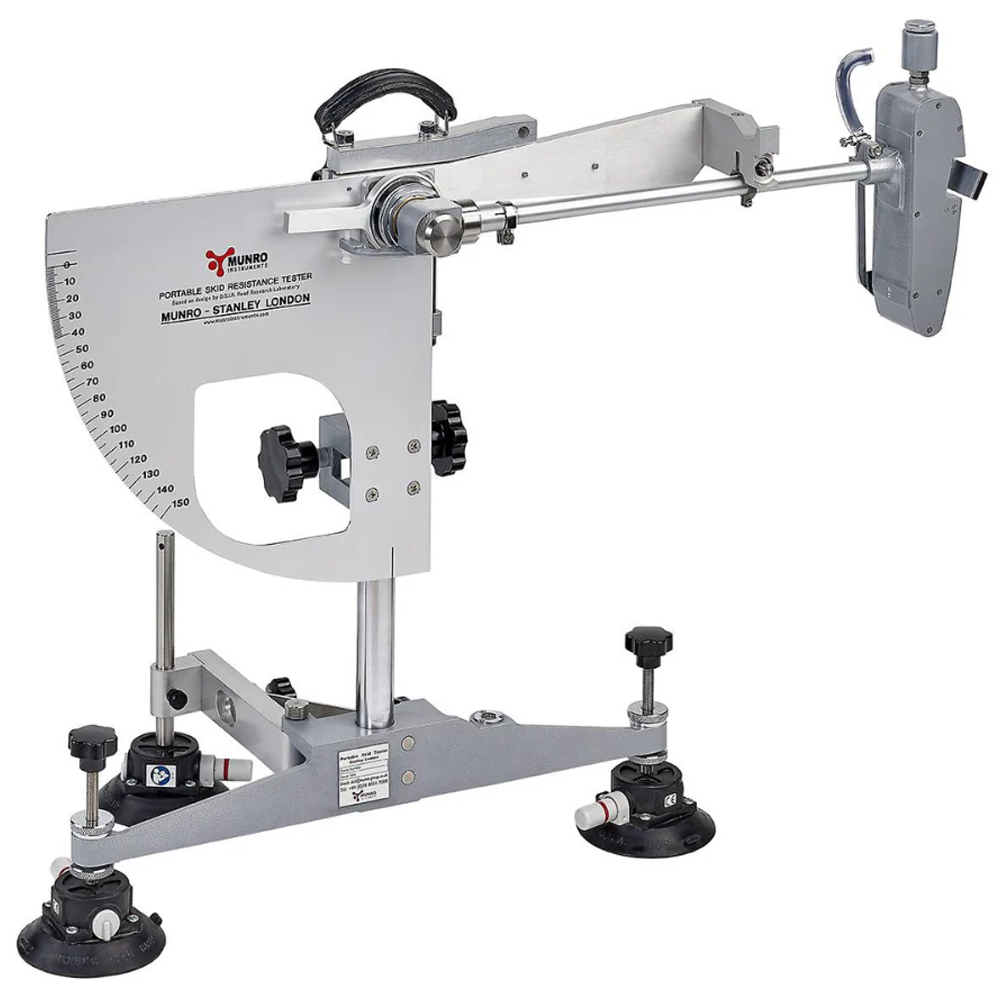
Slip & Skid Resistance Testing

The pendulum test measures floor slip resistance by simulating a moving heel on the surface and calculating the available friction. Results are given as a PTV value and are used to assess slip risk in both dry and wet conditions.

Raw floor measurements only gain value when converted into precise engineering analysis. Our reporting process transforms collected data into clear, standard-compliant insights, identifying critical deviations and their direct impact on operations.

Explore how detailed evaluation and professional reporting define accurate decisions and successful floor performance.


Explore more

Laser Grinding

Our advanced measurement technologies and engineering methods

International Flatness Standards

Detaily understand the flatness standards like ASTM, TR34 and VDMA

Importance of Floor Flatness

Why floor flatness can affect the operation's speed, safety, and cost..

Get In Touch
Find Us
Follow Us

Send us a message

Please enable JavaScript in your browser to complete this form.