
Perfector Floor

Pendulum Slip Test

What Is Pendulum Slip Test

This test evaluates the slip resistance of a floor by measuring the dynamic coefficient of friction, which is the friction force available when a surface and an object are in motion relative to each other. It simulates the interaction between a walking heel and the floor to estimate slip risk.
Why To Chek Surface Slip Resistance

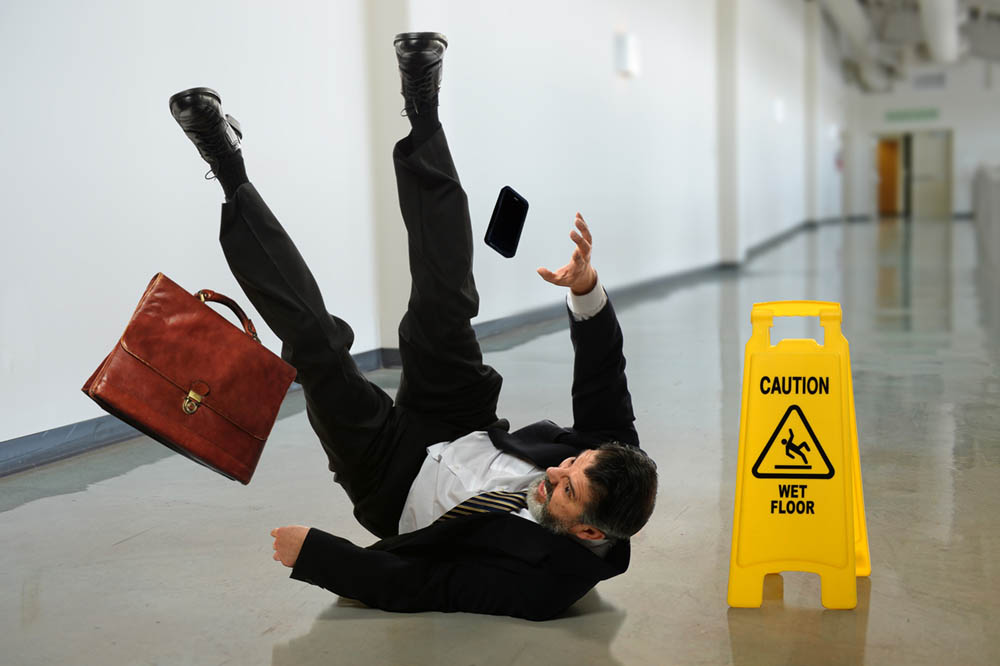
Slip resistance is directly linked to safety, especially in pedestrian areas. The test is used to determine how likely a surface is to cause slipping under different conditions. It is also commonly required as a standard method for assessing floor safety in practical environments.

Floors in pedestrian areas must maintain safe friction levels under both dry and wet conditions. In most cases, wet conditions significantly reduce slip resistance, increasing risk. Therefore, understanding performance in both states is essential for environments with regular foot traffic.

How To Check Surface Roughness

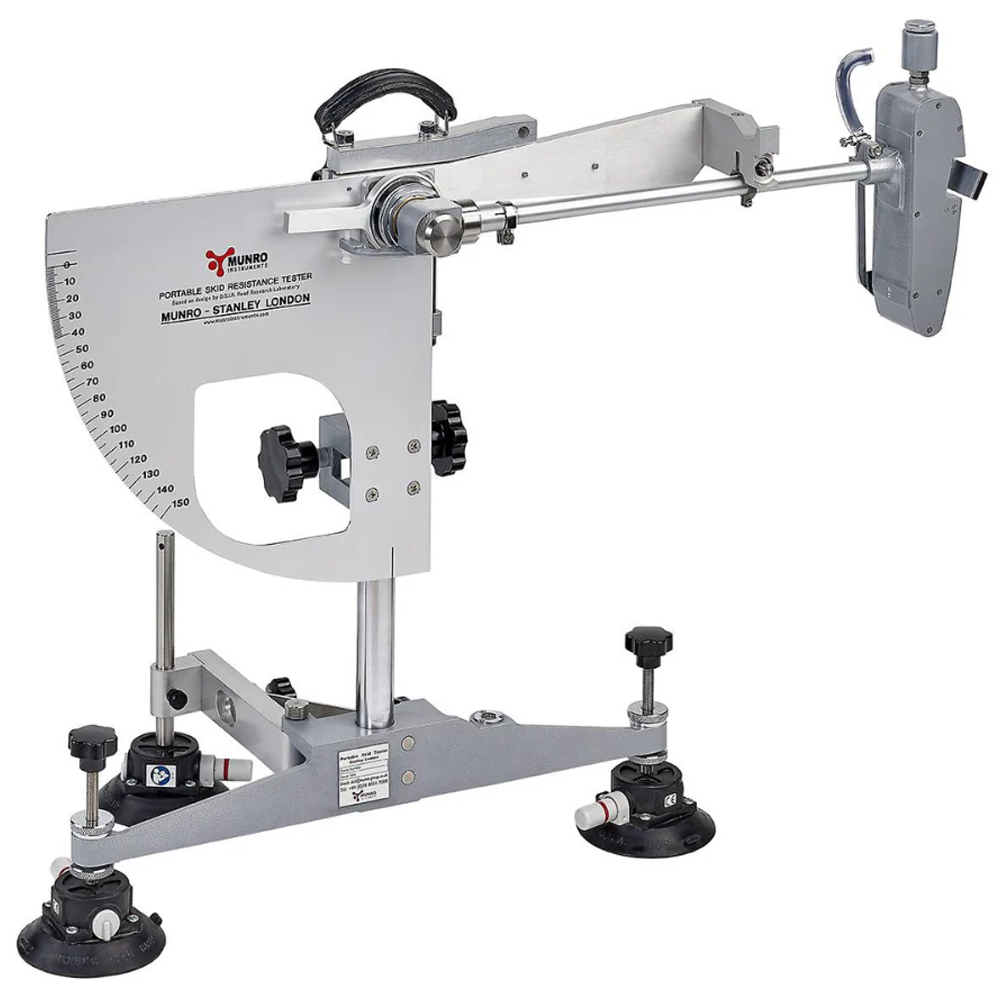
The Pendulum Test measures the slip resistance of a floor surface by replicating the interaction between a moving pedestrian heel and static surface.
The Pendulum has a swinging arm with a rubber slider attached to the heel of an imitation foot, which sits at the bottom of the arm. The slider imitates the heel of a shoe or a barefoot.  When the arm is released, it swings downwards building momentum, before the heel strikes the floor surface.   The arm slows in accordance to the amount of friction available and will continue to travel until it runs out of momentum.

A needle will record the point where the momentum is completely lost and determine the amount of friction available to the slider from the floor surface which gives an indication of slip risk. Measurement is given in PTV (Pendulum Test Value). 

Results showing a Pendulum Test Value of 36+ are considered to have a low slip potential, with moderate scores ranging from 25-35 and high slip potential scores being between 0 and 24.

Measurements are taken in three different directions, along the direction of travel, across the direction of travel and diagonally across the direction of travel. It is important to take these three directions to monitor things such as the wear of the floor surface or the impact the grain direction or texture of the floor surface may have in relation to the friction available.

Evaluation

Results are expressed as Pendulum Test Values (PTV). Higher values indicate better slip resistance, while lower values indicate higher slip risk.

The interpretation is shown in the Table 4 from Issue 5 of UK Slip Resistance Group Guidelines 2016

Slip Potential
PTV

High

Less than 10 μm

Moderate

25-35

Low

Greater than 20 μm

Explore more

Laser Grinding

Our advanced measurement technologies and engineering methods

International Flatness Standards

Detaily understand the flatness standards like ASTM, TR34 and VDMA

Importance of Floor Flatness

Why floor flatness can affect the operation's speed, safety, and cost..

Get In Touch
Find Us
Follow Us

Send us a message

Please enable JavaScript in your browser to complete this form.