

Floor Measurement

Perfector Floor is a specialized provider of industrial flooring systems focused on upgrading concrete floors for warehouses, logistics centers, and manufacturing facilities.

We deliver solutions aligned with international flatness and levelness standards, including defined movement systems for VNA (Very Narrow Aisle) operations.

By integrating advanced measurement technologies and engineering methods, Perfector Floor enhances material handling performance, reduces maintenance costs, and supports automation systems such as robotics and high-bay racking.

Surface elevations and other specifications cannot be specified visually. Professional measurement is therefore essential.
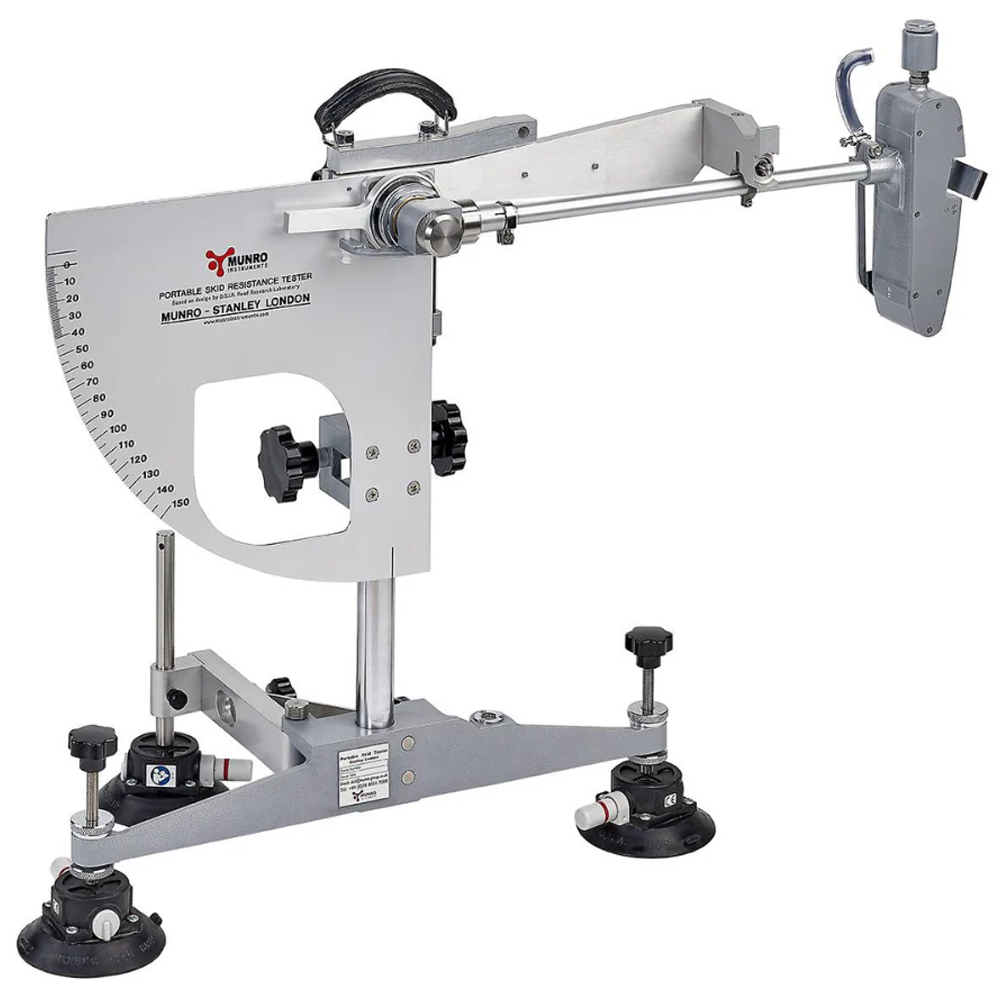
Measurement is the starting point of the entire process. It identifies slopes, elevation differences, gloss, cover thikness, humadity, stiffness, and friction with the highest accuracy.

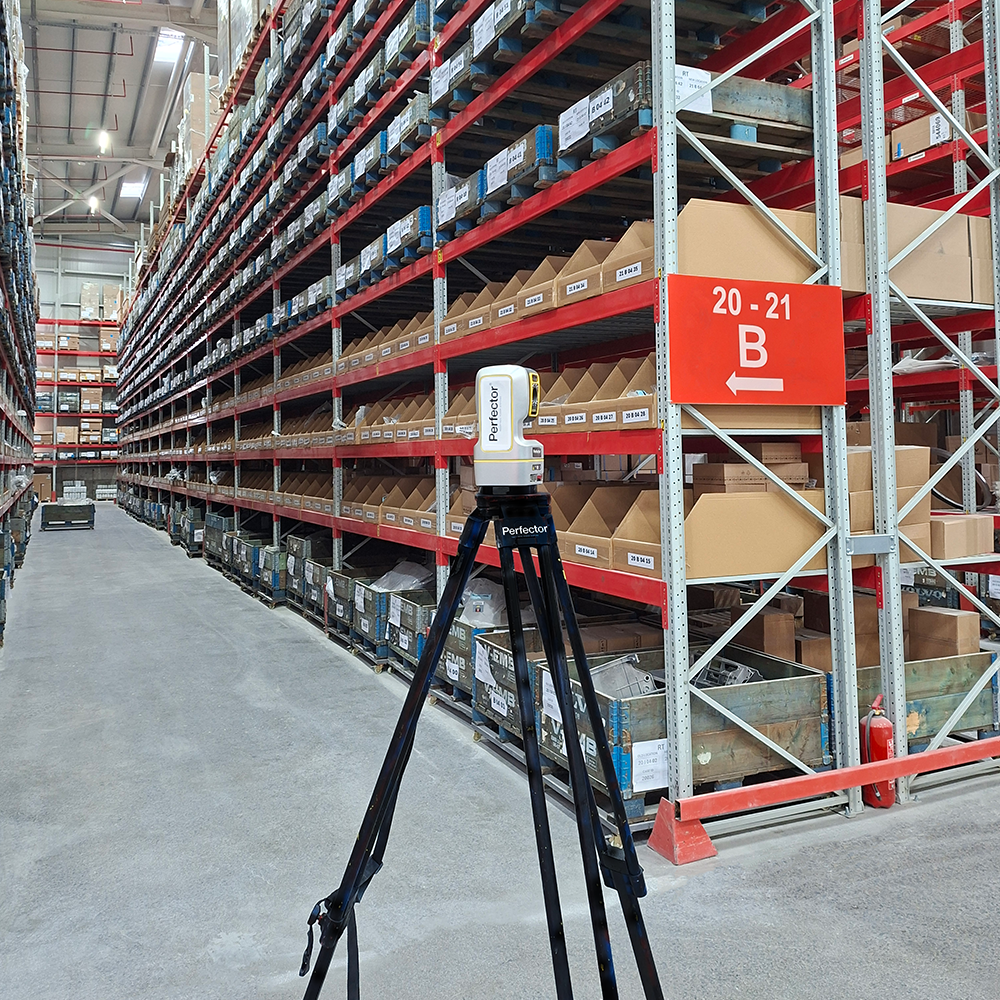
Laser Scanning

A non-contact measurement system capable of 360° laser scanning over large areas. It collects high density multi point data at high speed. The system generates a digital floor map with millimetric accuracy, enabling detailed surface analysis. This can be done in the whole surface. the spacing can be set as needed. The measurements can be shown on CAD programs to see the elevation of the complete floor detaily with a heigh colorazation system to make it easy for the eye.

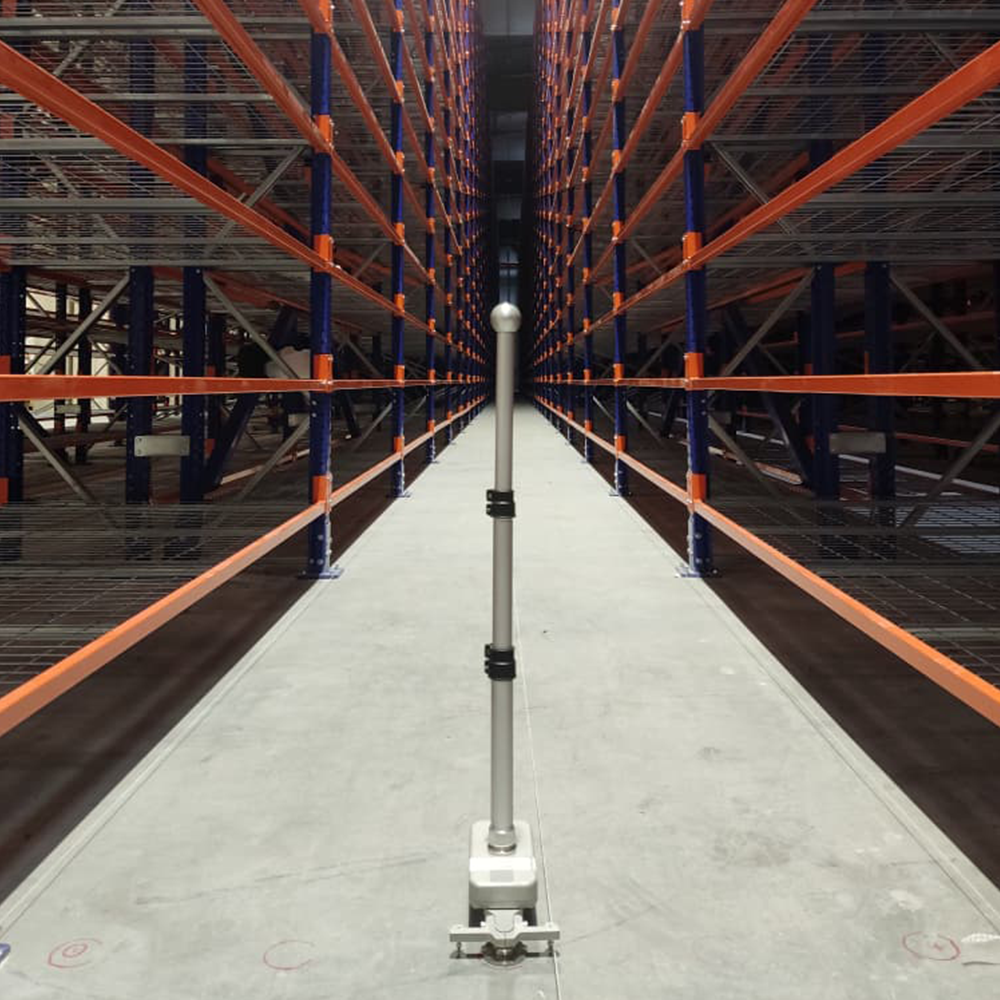
Dipstick

A high-precision device that measures elevation differences with an accuracy of 0.01 mm. It is fully compliant with international floor flatness standards and is widely used for tolerance verification and certification.

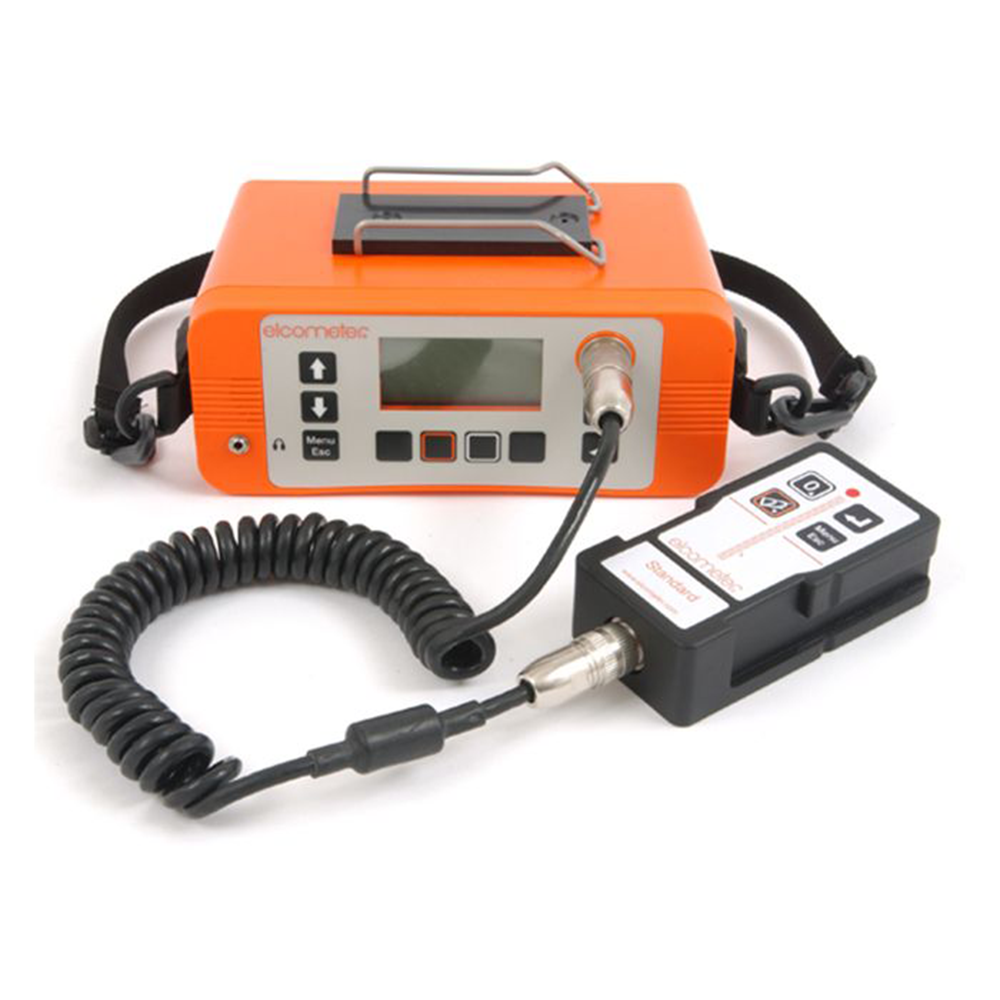
Rebar Scanning​

A detection system used to determine the depth of reinforcement mesh, rebars, and embedded steel elements within the concrete slab. It identifies the position and cover depth from the surface with millimetric accuracy, enabling safe grinding, coring, and surface correction operations.

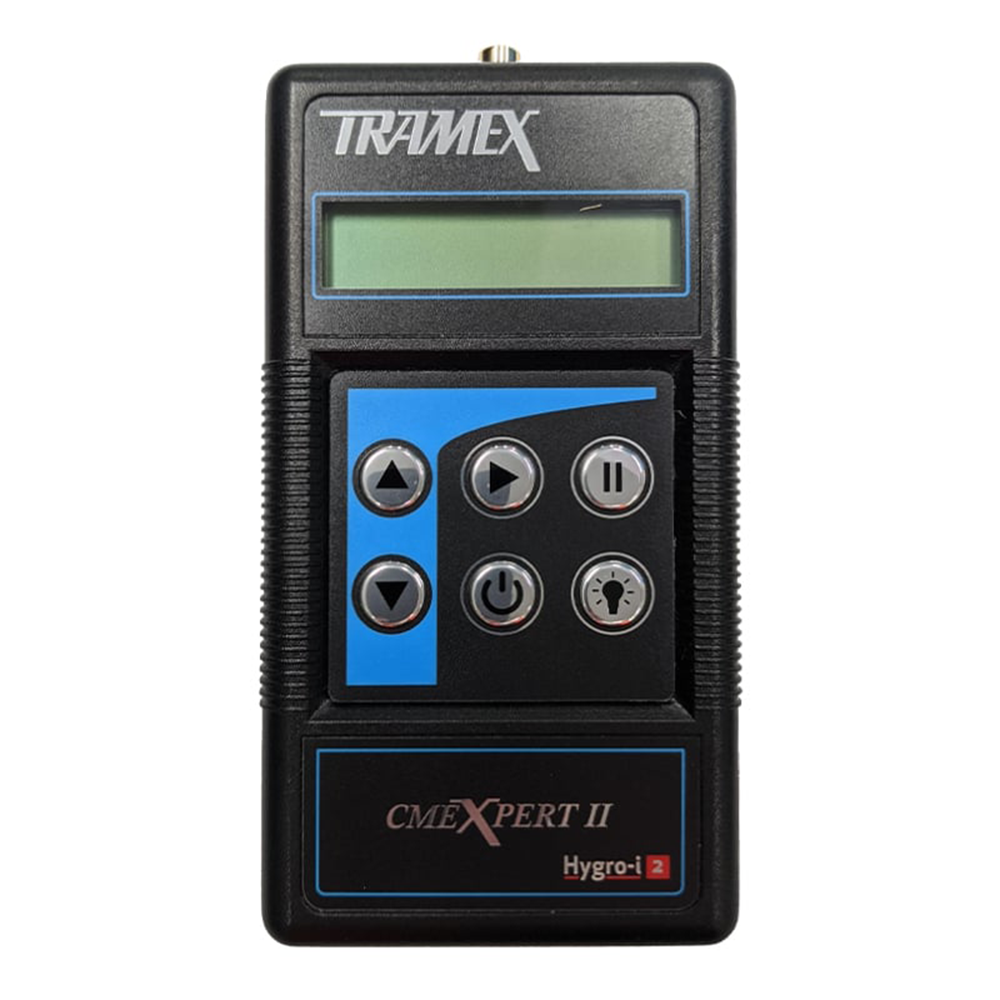
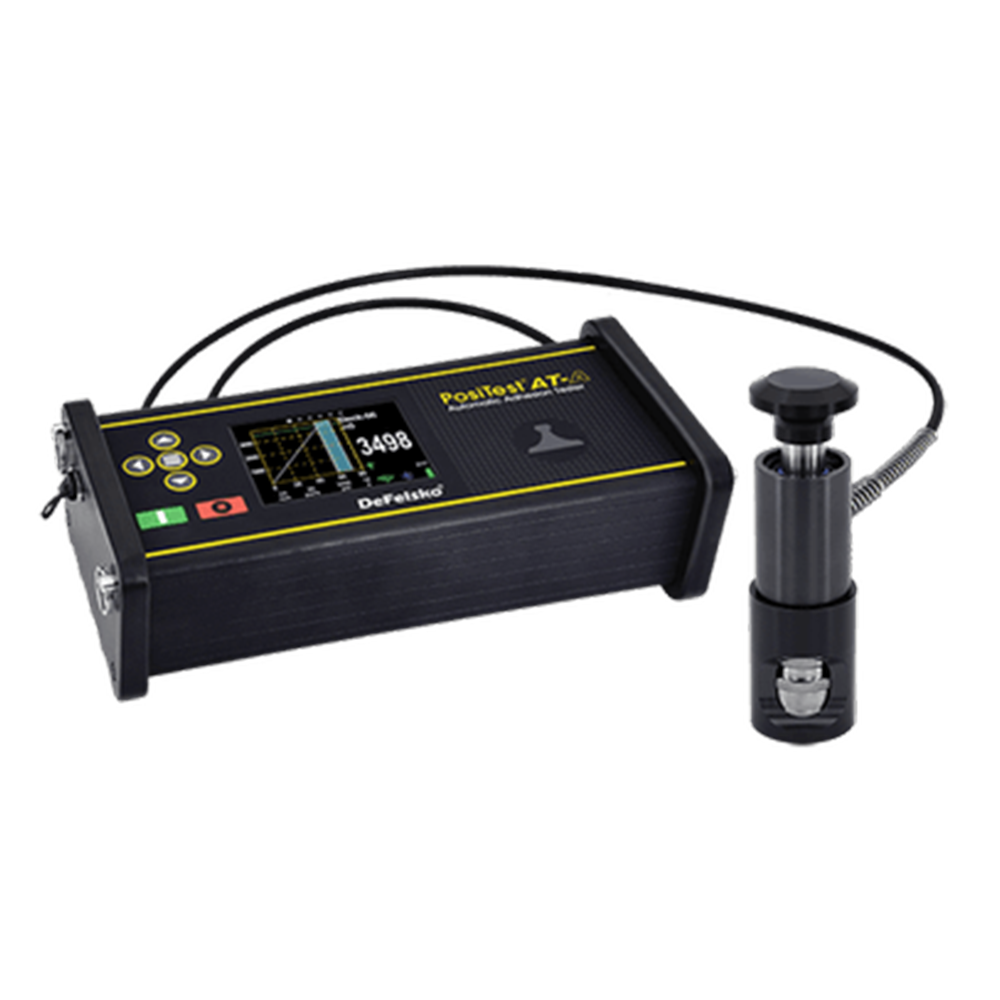
Humidity Test

The humidity test is a critical procedure used to determine the moisture content within concrete. Excess moisture trapped in the substrate can lead to adhesion failure, blistering, and long-term degradation of surface treatments. By accurately measuring internal moisture levels, this test ensures that the concrete has reached suitable conditions for subsequent applications, reducing the risk of costly failures and rework. It also supports compliance with manufacturer requirements and project specifications, providing documented assurance that the substrate is ready for finishing operations.

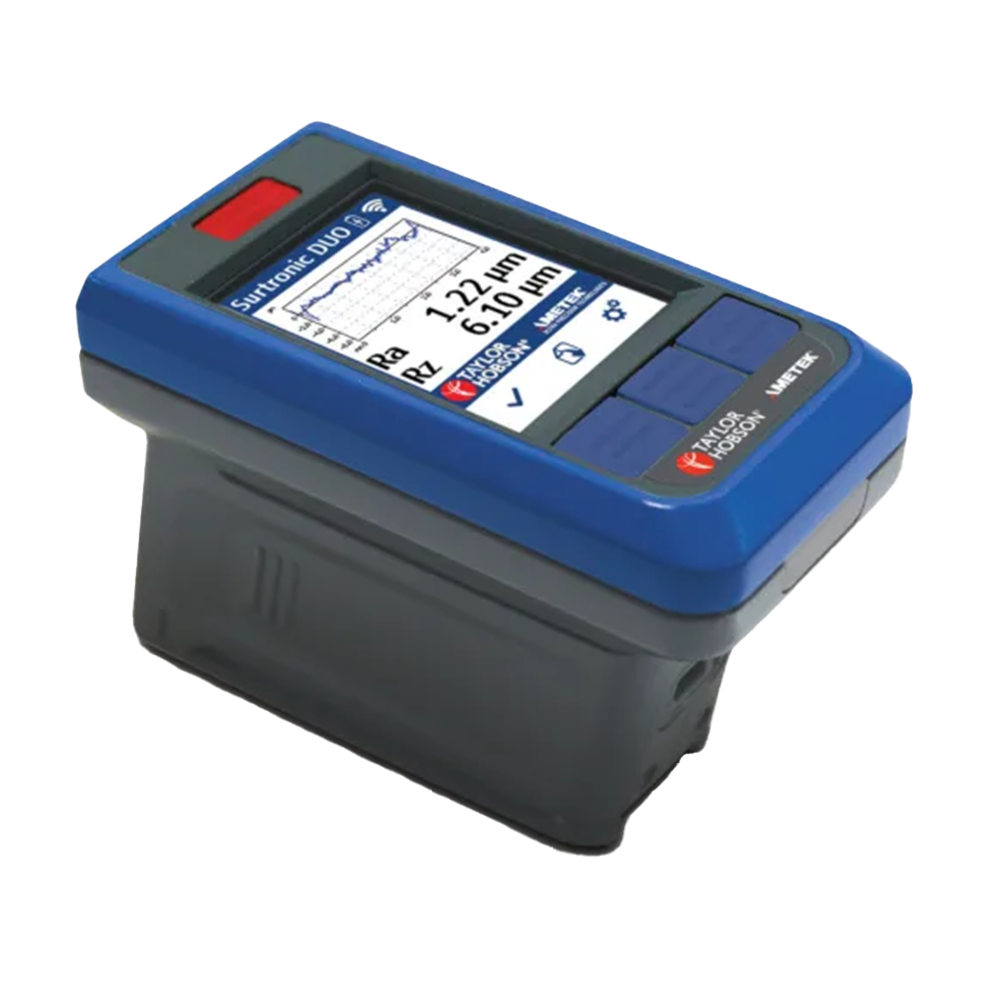
Gloss Test

The gloss test evaluates the reflective properties of a concrete surface, providing a quantitative measure of its finish quality and uniformity. This test is particularly important for projects where visual appearance, surface consistency, and light reflectivity are key performance criteria, such as polished or coated industrial floors. By using calibrated instruments, the gloss level can be consistently measured and compared against specified targets, ensuring that the final surface meets aesthetic and functional expectations. It also serves as a quality control tool to verify the effectiveness of polishing or coating processes.

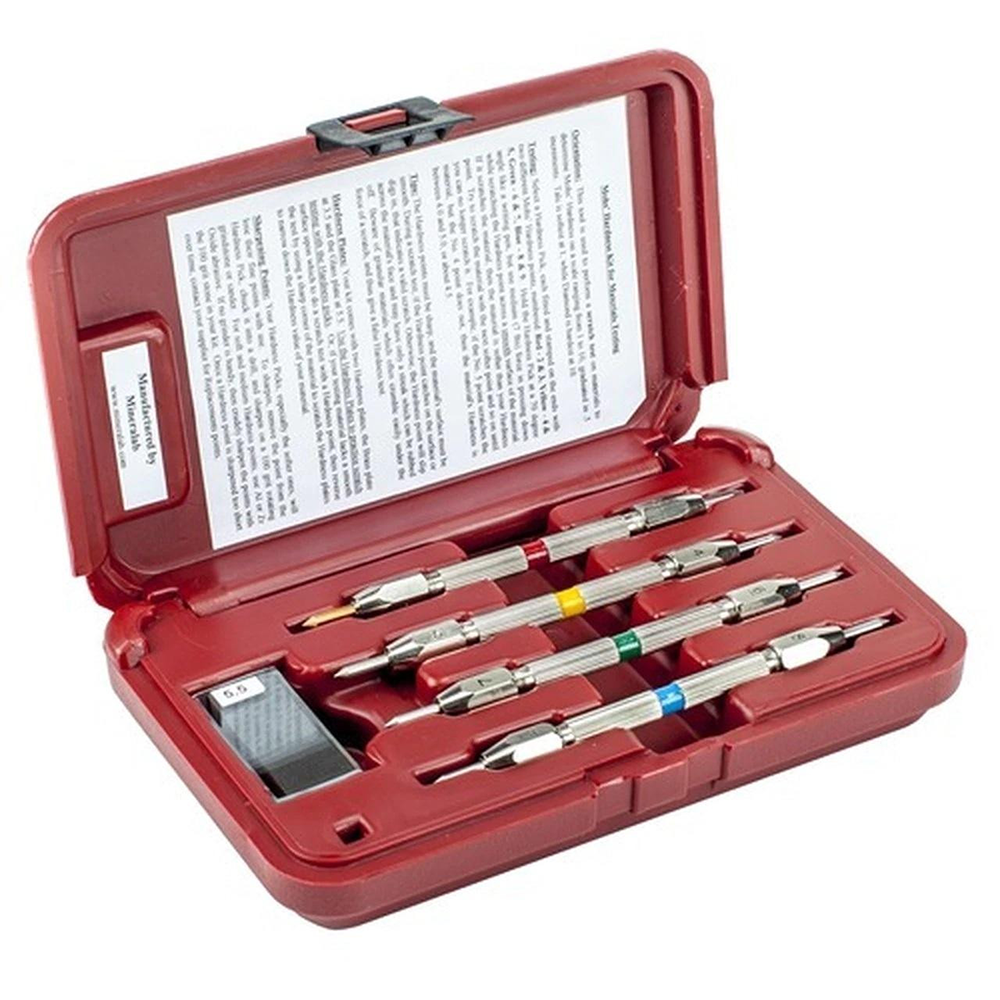
Stiffness Test

The stiffness test assesses the resistance of a concrete surface to deformation or indentation, which is directly related to its durability and load-bearing performance. Evaluating surface hardness or stiffness helps determine whether the concrete can withstand operational stresses such as heavy traffic, machinery loads, and abrasion. This test provides valuable insight into the structural integrity and wear resistance of the floor, enabling engineers to confirm that the material meets the required performance standards. It also helps identify weak or underperforming areas that may require corrective action before the floor is put into service.

Raw floor measurements only gain value when converted into precise engineering analysis. Our reporting process transforms collected data into clear, standard-compliant insights, identifying critical deviations and their direct impact on operations.

Explore how detailed evaluation and professional reporting define accurate decisions and successful floor performance.


Explore more

Laser Grinding

Our advanced measurement technologies and engineering methods

International Flatness Standards

Detaily understand the flatness standards like ASTM, TR34 and VDMA

Importance of Floor Flatness

Why floor flatness can affect the operation's speed, safety, and cost..

Get In Touch
Find Us
Follow Us

Send us a message

Bu formu bitirebilmek için tarayıcınızda JavaScript'i etkinleştirin.